
Before You Hire a Listing Agent, Ask This: Do They Know How to Write?
Why Your Agent’s Words Could Be Costing You Showings
During my seven years as a copywriter for a large real estate company in Boca Raton, Florida, I wrote thousands of property descriptions—everything from oceanfront condos to family homes on quiet cul‑de‑sacs. That experience taught me something many listing agents underestimate: the words you choose can drive clicks, showings, and ultimately sales. A great description doesn’t just inform; it engages, attracts, and converts.
Now that most buyers begin their home search online, your digital listing is often the first “showing.” Zillow’s algorithm may look like a mystery box, but it’s surprisingly logical. It rewards listings that generate engagement—clicks, saves, and time spent scrolling through photos and remarks. It also favors listings that feel “fresh,” whether through pricing updates, new photos, or refreshed remarks. That means your choice of words has a measurable impact. A well‑crafted description can increase visibility and inspire curiosity, while one full of fluff can make buyers scroll past without lingering.
In Real Estate, Words Sell Homes—Make Sure Your Agent Knows How to Use Them
Early in my writing career, I believed that creativity sold houses—the more descriptive, the better. But real estate readers don’t read like novel enthusiasts; they skim like detectives, hunting for facts. They want to know two things within seconds: does this home fit my lifestyle, and is it worth my time to see? That’s where concise, well‑structured remarks make all the difference.
Eliminating fluff is not about stripping away personality; it’s about clarifying value. Instead of vague phrases like “stunning home” or “must‑see property,” replace them with vivid specifics: “updated 4‑bedroom in Edmond schools,” or “corner lot with new roof and storm shelter.” These details not only resonate with human readers but also feed Zillow’s search filters and keyword tags. The more your remarks align with how buyers search—school districts, features, community names—the higher the chance your listing appears when someone’s ready to shop.
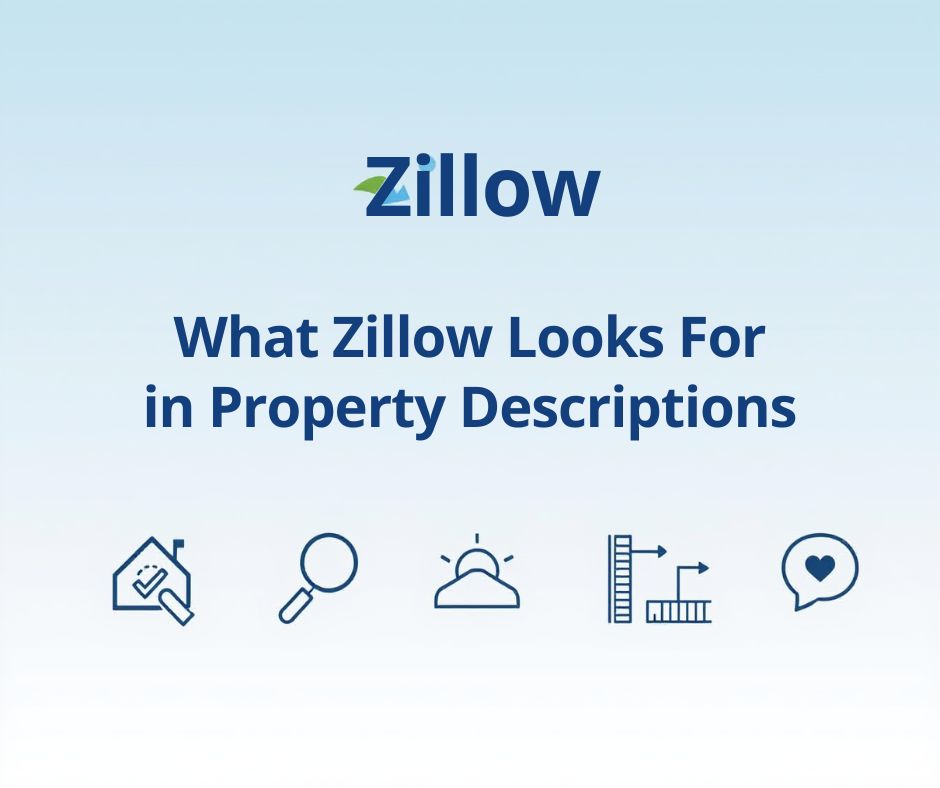
What Zillow Looks For
While Zillow keeps its exact algorithm proprietary, experience (and plenty of testing) points to a few proven performance drivers:
- Engagement signals: Zillow measures interest based on user behavior—clicks, saves, shares, and how long people spend viewing your listing. Descriptions that hold attention contribute directly to these metrics.
- Freshness and updates: Listings that are regularly updated—through new wording, pricing adjustments, or photo changes—signal to Zillow that the property is current and active. Even small updates keep it circulating in search results.
- High-quality media: Compelling photos, videos, and 3D tours grab attention before anyone even reads the text. The description’s job is to confirm what the visuals promise.
- Keyword relevance: Zillow identifies key features mentioned in your description—items like “walk‑in pantry,” “fenced yard,” “home office,” or “VA approved.” These terms help your listing appear in user‑filtered searches.
- Accuracy and clarity: Over‑selling or ambiguously worded listings can reduce credibility. Zillow’s algorithms, and more importantly, buyers, respond best to authenticity and precision.
Smart Sellers Know: Great Listings Start with Great Copy
When I worked as a copywriter, I noticed quickly, the top-performing agents weren’t necessarily the ones selling the priciest homes—they were the ones communicating the clearest message. They focused on the buyer’s experience, avoided wasted adjectives, and structured remarks for readability.
Start with your strongest features in the first two sentences. That “above the fold” section (the part visible before someone clicks “Show More”) does the heavy lifting. Highlight location, upgrades, and lifestyle appeal immediately: “Bright, open 3‑bedroom near downtown OKC with an oversized garage and fenced backyard.” From there, add supporting details in short, skimmable sentences. Use bullet-style flow if the platform allows, or weave quick hits into the paragraph logically.
Buyers rarely read a wall of text. They’re more likely to engage with short bites of useful information they can mentally sort: size, layout, year built, notable updates, and what makes this home different from others at similar price points. Always include lifestyle hooks: proximity to schools, shops, or recreation. Those small touches make your description relatable and memorable.
The Power of Freshness
Another trick I learned: periodic updates really do help listings stay active in search results. Zillow treats any substantial change—text edits, new photos, or price adjustments—as an indicator that the listing is being actively marketed. Instead of repeatedly rewording the same sentences, add meaningful updates such as “new interior paint,” “fresh landscaping,” or “now includes refrigerator.” These statements show movement and authenticity while refreshing the algorithm’s attention.
Avoiding Common Mistakes
Even experienced agents can fall into traps like over‑hyping, over‑writing, or under‑describing. Avoid generic adjectives (“beautiful,” “spacious,” “great”) unless they’re backed by evidence. Replace them with specifics: square footage, ceiling height, lot size, or brand names on major updates. Be careful with claims like “the best” or “one of a kind”—buyers view those skeptically. Instead, let facts and precision speak for themselves.
Another mistake is ignoring local context. Mentioning “Edmond schools,” “Piedmont location,” or “close to OU Health” isn’t just detail—it positions your listing in search geography that matters to buyers. Zillow’s AI scans those words when matching searches to listings, so it’s not window dressing; it’s optimization.
Final Thoughts
Good copy isn’t about cleverness—it’s about connection. My years of writing copy taught me that buyers don’t fall in love with adjectives; they fall in love with details that help them imagine a life in that home. Strong, clear, keyword‑rich property descriptions, updated regularly and paired with quality photos and accurate pricing, give your listing its best chance to shine. In a sea of sameness, the right words still have the power to make one property stand out and turn online curiosity into real‑world showings.
Categories
Recent Posts