
Probate, Property, and Paperwork: How Homes Actually Get Sold After Someone Passes Away
Because settling a loved one’s estate is more than paperwork—it’s a responsibility that deserves clarity, care, and trusted guidance.
When a loved one passes away, families don’t just inherit memories—they inherit decisions. And if real estate is involved, those decisions often come wrapped in court deadlines, legal terms, and emotional landmines.
In Oklahoma, probate real estate sales are common, misunderstood, and often unnecessarily stressful. I see it regularly: families trying to grieve while also figuring out how to sell a home they suddenly own—but don’t yet have legal authority to sell.
This guide explains how probate works in Oklahoma when a home must be sold, what role the court plays, why timing matters (especially when there’s a mortgage), and how families can move forward without making costly mistakes.
Probate and Real Estate in Oklahoma: What It Really Means
In Oklahoma, probate is required when a homeowner passes away owning property solely in their name without a trust. The home becomes part of the probate estate and cannot be sold until the court appoints a Personal Representative (also called an Executor).
Until that appointment happens, no one—not heirs, not family members—has legal authority to sell the home, sign a contract, or transfer ownership. This is often the first surprise families encounter.
The Role of the Personal Representative
Once appointed by the Oklahoma probate court, the Personal Representative has legal authority to protect and maintain the property, pay ongoing expenses such as insurance and utilities, and list the home for sale.
The Personal Representative does not own the home personally. They act on behalf of the estate and its beneficiaries. At closing, ownership is transferred using an Executor’s Deed, which confirms the court authorized the sale and that the estate—not an individual—is conveying the property.
This is standard in Oklahoma probate real estate transactions and is handled routinely by title companies.
Who Can Serve as Personal Representative Under Oklahoma Probate Law?
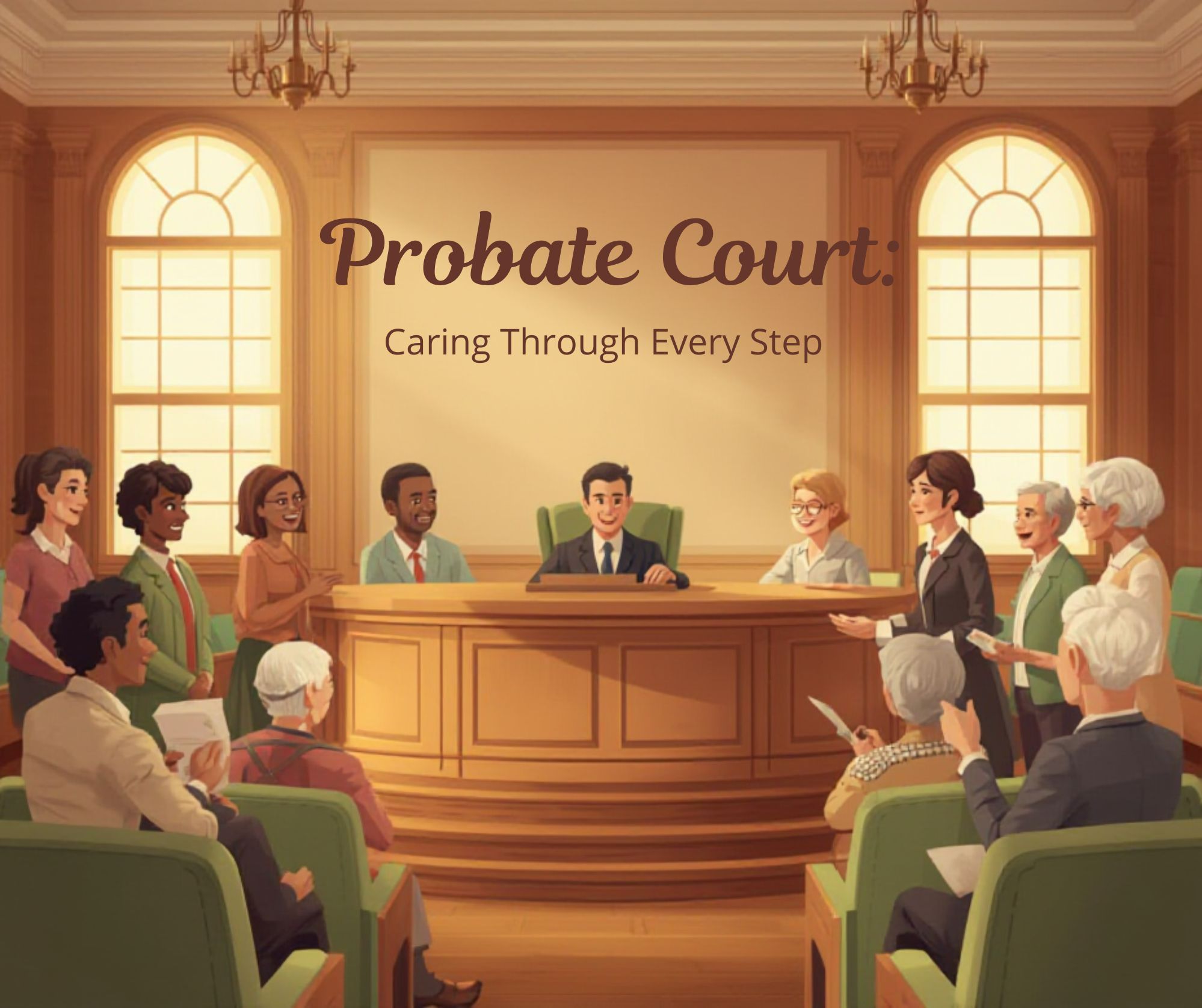
An individual can be the PR, most commonly the deceased person's spouse or adult child, but it can also be another competent adult such as anotehr relative or trusted person. A bank or trust company can be authorized to act in a fiduciary capacity in Oklahoma can be appointed as PR instead of an individual.
If there is a will, the person named as "executor" is usually appointed by the court as the personal representative, so long as they are willing and eligible. If there is no will (intestate), Oklahoma statutes give priority to the surviving spouse and closest relatives in an order of preference for appointment as administrator (personal representative).
In every case, the district court must actually appoint the PR and issue Letters Testamentary (for an executor under a will) or Letters of Administration (for an intestate estate) before that person or institution has authority to manage or convey the real property.
Summary Administration in Oklahoma: A Faster Probate Option
Oklahoma law allows certain estates to qualify for Summary Administration, a simplified probate process with fewer steps and a shorter timeline.
When Summary Administration applies, court approval typically comes sooner, legal costs are reduced, and the home can often be sold much faster. For families dealing with a vacant home or an active mortgage, this shorter process can prevent unnecessary financial strain.
An experienced probate attorney can determine whether Summary Administration is available, but from a real estate standpoint, it often makes a meaningful difference in how quickly a home can be sold.
Why Timing Matters More Than Most Families Expect
Here’s the part I don’t sugar-coat: mortgages do not pause during probate.
If the property has a loan, payments must continue, insurance must stay in force, and deferred maintenance becomes a growing liability. Every month a probate home sits unsold, the estate quietly loses money.
I’ve seen families delay decisions while expenses pile up and equity erodes. In many Oklahoma probate cases, selling sooner—rather than waiting for perfect timing—is the most financially responsible choice.
Preparing a Probate Home for Sale Without Over-Improving
Probate homes are not retail listings. They don’t need to be magazine-ready; they need to be safe, clean, and marketable.
The most successful probate sales usually involve removing personal belongings, addressing obvious safety issues, and basic cleaning and yard maintenance. Families often debate renovations that don’t actually add value, delaying the sale and reducing net proceeds.
Most probate buyers expect to make updates themselves. Over-improving is rarely the best strategy.
Court Approval and Probate Sale Timelines in Oklahoma
Once a buyer is secured, the sale is submitted to the court for approval. This step protects heirs and creditors and ensures the transaction is properly documented.
In Oklahoma, Summary Administration probate cases are often completed in two to four months. Formal probate cases more commonly take six to twelve months, sometimes longer depending on complexity and court schedules.
Understanding these timelines upfront helps families set realistic expectations and reduces unnecessary frustration.
The Human Side of Probate
Probate has a funny way of turning reasonable adults into accidental experts. Suddenly everyone remembers a different version of what Mom wanted. Someone insists the house is worth far more than the market supports. Decisions stall while expenses quietly continue.
I’ve watched siblings argue over price while a vacant home drained the estate month after month. I’ve also seen families who understood the process early, made clear decisions, sold the home efficiently, and moved forward with far less stress.
The difference isn’t emotion—it’s clarity.
Closing the Sale With an Executor’s Deed
Once the court approves the transaction, the Personal Representative signs an Executor’s Deed at closing. Ownership transfers from the estate to the buyer, and sale proceeds are distributed according to the court order or estate plan.
For many families, this moment feels like more than a closing. It feels like closure.
Legal Disclaimer
This information is provided for general educational purposes only and is not legal or tax advice. Probate laws vary by situation and jurisdiction. Homeowners and heirs should consult with a qualified Oklahoma probate or estate attorney regarding their specific circumstances.
A Helpful Resource for Oklahoma Families Facing Probate
For families navigating probate and real estate, having a clear roadmap can make all the difference. A well-prepared probate sale reduces stress, limits financial loss, and allows families to focus on what truly matters.
If you’d like a step-by-step overview of the probate home sale process, a downloadable probate guide or checklist can be a helpful next step.
Final Thoughts
Probate real estate is not just about property—it’s about people navigating one of life’s hardest transitions.
When families understand the process, the paperwork becomes manageable, decisions become clearer, and the sale becomes a step forward rather than a source of conflict. Sometimes the most compassionate thing you can do is bring clarity to a complicated moment and help people move on.
Categories
Recent Posts